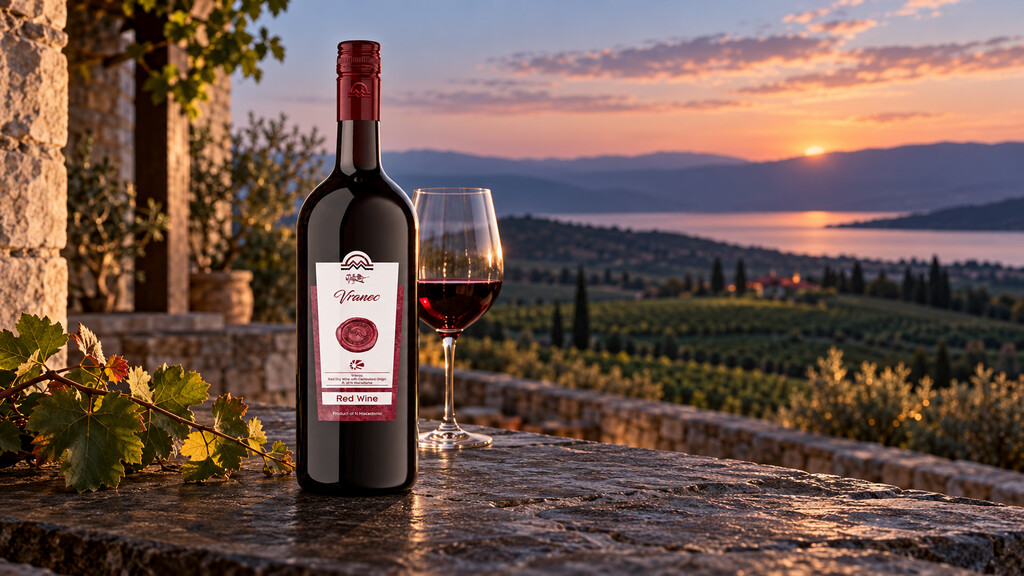
A magnum wine bottle has a presence that a standard bottle rarely matches. It changes the scale of the table, encourages people to share, and turns the moment of opening a bottle into part of the occasion. Yet the format is more than visual theatre. At 1.5 litres, a magnum can also influence the way wine develops and how it is experienced, provided the wine and storage conditions are right.
More Than a Larger Bottle
A magnum wine bottle holds 1.5 litres, the equivalent of two standard 750 ml bottles. It is large enough to feel special, but still practical enough to carry, store and serve at a dinner table.
The important difference is the relationship between the wine and the small amount of air around the closure. A magnum contains twice as much wine, while the neck, cork or cap and headspace remain relatively similar in size to those of a standard bottle. In well-stored bottles, this generally means less oxygen exposure in relation to the volume of wine.
That ratio is one reason wine in a magnum often develops more gradually. The bottle size does not transform the wine overnight; it simply gives the process more time.
How Bottle Size Can Affect Ageing
Wine continues to change after bottling. Fruit aromas evolve, tannins become softer and new savoury or earthy notes may appear. Oxygen plays a small but important role in those reactions, even though too much oxygen can eventually damage the wine.
Because the oxygen-to-wine ratio is usually lower in a magnum, development can be slower and more even. A red wine may retain its fruit and freshness for longer while its structure gradually settles. The result, when the wine is suitable for ageing, can feel especially harmonious.
Does Every Wine Benefit From a Magnum?
No bottle format can improve a wine that lacks balance, nor can it protect a bottle kept in poor conditions. A magnum is most interesting when the wine already has enough fruit, acidity and structure to develop over time.
What a Magnum Changes at the Table
Two standard bottles can serve the same amount of wine, but they do not create quite the same experience. A single magnum becomes a shared centrepiece. Everyone is drinking from the same bottle, and the conversation often follows the wine as it opens in the glass.
A 1.5 litre bottle provides around ten to twelve moderate servings, depending on the pour. That makes it well suited to a family meal, a celebration or a dinner where the wine is meant to stay on the table rather than disappear after the first course.
There is a practical difference too: a full magnum is heavier. Pour slowly with two hands, supporting the base with one hand and the neck with the other. For a structured red, decanting can make service easier while also allowing the wine to breathe.
Which Wines Work Well in Magnum Format?
Red varieties with good structure are natural candidates. Magnum Vranec combines dark fruit, freshness and firm tannins, qualities that can develop gradually in the larger format. Magnum Merlot offers a softer expression, with ripe fruit and a rounder texture. Magnum Pinot Noir brings a more elegant profile, with red-fruit character and a refined structure suited to the larger bottle.
White wine can also be compelling in a magnum. A well-balanced Magnum Chardonnay can preserve brightness while gaining texture and complexity over time.
How to Store and Serve a Magnum
Keep a magnum in a cool, dark place with a stable temperature. If it is sealed with natural cork, store it on its side so the cork remains in contact with the wine. Avoid direct sunlight, vibration and repeated shifts between warm and cold conditions.
Serving temperature depends on the wine. Most structured reds show well around 16–18°C, while many dry whites are expressive around 8–12°C. A large bottle needs more time to cool than a standard one, so plan ahead. Our wine serving temperature guide offers more practical detail.
A Format Made for Sharing
The appeal of a magnum lies in the way technical and human qualities meet. Slower development may help a suitable wine retain balance and freshness, while one bottle for the whole table feels deliberate, generous and communal.
That is why the magnum has remained relevant beyond collectors and cellars. It is a serious format for ageing, but also a natural choice for the moments people want to remember.
Explore the MM Winery Magnum collection and discover how familiar varieties take on a different presence in 1.5 litre form.
FAQ
How much wine is in a magnum bottle?
A magnum contains 1.5 litres of wine, equal to two standard 750 ml bottles.
Does wine age better in a magnum?
Wine often develops more slowly in a magnum because there is less oxygen in relation to the volume of wine. The final result still depends on wine quality, closure and storage.
How many glasses does a magnum serve?
It usually provides around ten to twelve moderate glasses, depending on serving size.
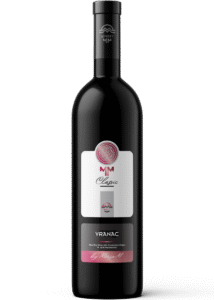
MM Winery Vranec
Explore the wine connected to this story and discover its character, origin and style.
View Wine Details →