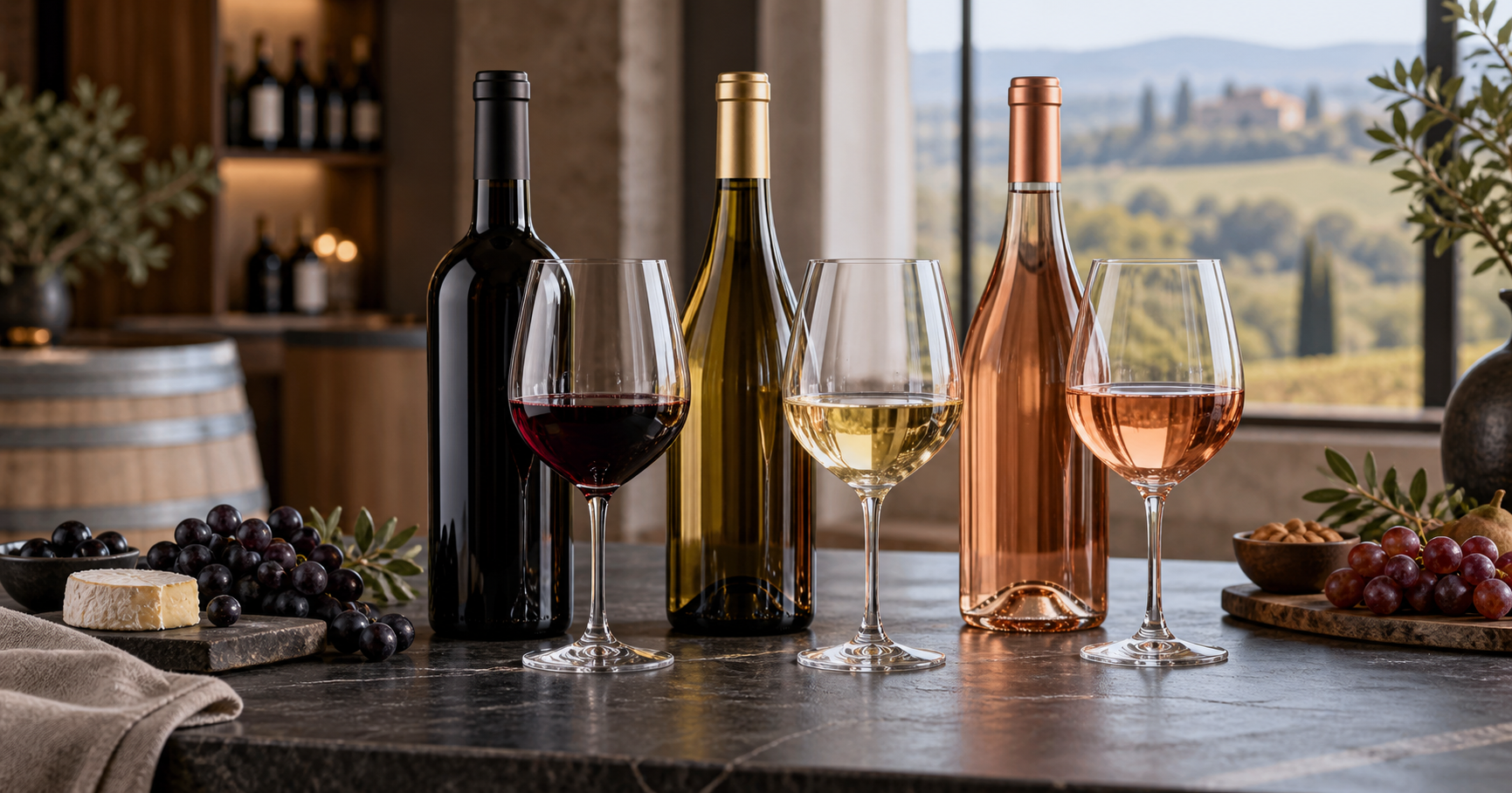
Picking a wine can feel like a task reserved for connoisseurs, but it really comes down to a few simple questions: What’s the occasion? What food will it accompany? And, of course, what do you personally enjoy? In this guide, we’ll walk through the basics so you can confidently choose a wine next time — whether it’s for yourself, a gift, or a special celebration.
First question: what’s the occasion?
Start by thinking about context. A relaxed afternoon with friends calls for a very different bottle than a formal dinner or a romantic celebration.
- Everyday enjoyment – lighter, fresh wines (white or rosé) that don’t require much thought, perfect for spontaneously opening.
- Dinner with company – a versatile wine that pairs with a varied menu, often a medium-bodied red or a dry white.
- Celebrations and special occasions – a wine with more character, a nicer label, and a story behind it — something worth a toast.
- Gifting – here, presentation (label, packaging) matters just as much as the wine itself, since the recipient often values the gesture more than technical detail.
Second question: red, white, or rosé?
Each of the three main wine types offers a distinct character:
Red wine tends to be fuller-bodied, with more pronounced tannins and deeper notes of dark fruit, spice, or oak (if barrel-aged). It pairs beautifully with red meat, aged cheeses, and spiced dishes.
White wine is fresher and lighter, usually with brighter acidity that cleanses the palate. It’s a natural match for fish, seafood, chicken, or light summer meals.
Rosé wine sits comfortably between the two — offering freshness similar to white wine, with a touch more fruit depth than you’d find in a typical white. It’s especially popular in warmer months and at casual gatherings.
If you’re unsure what to pick, rosé is often the “safe” choice, pairing well with a wide range of dishes and welcome at almost any table.
Third question: what will you be eating?
Food and wine pairing doesn’t have to be complicated. A simple rule of thumb: heavier food calls for a heavier wine, lighter food calls for a lighter wine. For example:
- Grilled or roasted meat → fuller-bodied red wine
- Fish, shellfish → fresh, dry white wine
- Salads, light starters → rosé or light white
- Desserts → a sweeter wine, in smaller pours
Fourth question: style and presentation
Think about how the wine fits the occasion. For relaxed gatherings, freshness and versatility may matter most. For gifts or celebrations, presentation and the story behind the wine — its origin, grape variety, bottle format and winemaking style — can make the choice feel more considered. Personal preference should remain the final guide.
Choosing wine by style rather than label
When a grape name is unfamiliar, think first about the style you want in the glass. Do you prefer something light and fresh, something fuller and more structured, or something aromatic and easy to pair with food? Starting with body, freshness and the occasion is often more useful than choosing only by a familiar label.
For red wine, a lighter or medium-bodied style can suit a mixed table, while a more structured red can work well with richer dishes. For white wine, crisp freshness is useful with seafood, salads and lighter meals, while a rounder style can suit poultry, creamy sauces and more substantial dishes.
Choosing a bottle for gifting
For a gift, presentation matters alongside the wine itself. A clearly presented origin, grape variety and bottle format can make the choice feel thoughtful without requiring the recipient to be a wine expert. If you know the person’s preferences, use them as the main guide; if you do not, a versatile dry wine is often easier to share.
Choosing wine for a mixed group
When several people are sharing the table, versatility is usually more useful than intensity. A balanced red, fresh white or dry rosé can cover a broader range of dishes and preferences. If the meal includes several courses, offering both a red and a white gives guests more flexibility.
Basic, Classic and Magnum at MM Winery
MM Winery presents wines across three collections. Basic focuses on straightforward, approachable expressions in 1 litre bottles. Classic presents the core 750 mL range, including red, white and rosé wines. Magnum uses 1.5 litre bottles for larger-format presentation and shared occasions. The best choice depends on the style, format and setting that suit the moment.
A final tip
The best way to discover which wine truly suits you is simply to try a variety. Every palate is different, and personal taste ultimately matters more than any rule. Explore the Basic, Classic and Magnum collections, or read our guide to the difference between red, white and rosé wine.
If you want to explore a distinctive local red, start with our complete guide to Macedonian Vranec.
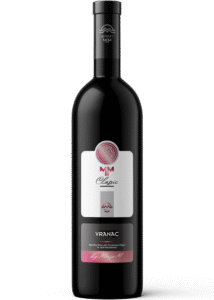
MM Winery Vranec
Explore the wine connected to this story and discover its character, origin and style.
View Wine Details →